Sleep Training Methods Compared: Find What Works for You
A science-backed guide to the most popular sleep training approaches, helping you choose the right method for your family's needs and values
Dr. Sarah Chen
Pediatric Sleep Specialist

Key Takeaways
- No single sleep training method works best for every family—your baby's temperament and your comfort level matter most.
- Most sleep training methods show similar success rates (80-90%) when followed consistently for 1-2 weeks.
- Babies are typically developmentally ready for sleep training between 4-6 months of age.
- Gradual methods take longer but may feel more comfortable; extinction methods work faster but require more emotional resilience.
- Consistency is the #1 predictor of sleep training success, regardless of which method you choose.
Understanding Sleep Training: What the Science Actually Says
Sleep training is the process of helping your baby learn to fall asleep independently and self-soothe when they wake during the night. Research consistently shows that sleep training is safe and effective, with no negative long-term effects on children's emotional development, attachment, or behavior. In fact, studies demonstrate that well-rested babies and parents experience better overall wellbeing.
TL;DR
The sleep training debate often feels overwhelming for exhausted parents scrolling through contradictory advice at 3 AM. But here's what matters: decades of research support multiple approaches, and the 'best' method is simply the one that aligns with your parenting values and that you can implement consistently.
of babies sleep through the night after sleep training
When Is Your Baby Ready? The Developmental Timeline
Most pediatric sleep experts recommend beginning sleep training between 4-6 months of age. At this stage, babies have typically developed the neurological capacity to sleep for longer stretches and no longer require nighttime feedings for nutritional needs (though some may still benefit from one feeding). However, every baby develops differently, and readiness signs matter more than exact age.
Fourth Trimester
Too early for formal sleep training. Focus on safe sleep practices, responding to cues, and establishing day/night patterns.
Optimal Window
Most babies are developmentally ready. They've lost the Moro reflex, can self-soothe, and don't need frequent night feeds.
Still Effective
Sleep training works well but may take slightly longer as habits are more established. Separation anxiety may emerge around 8-9 months.
Toddler Adjustments
Methods may need modification for verbal toddlers. Consider adding verbal reassurances and involving them in bedtime routine choices.
Good to Know
Signs your baby is ready: They can roll both ways, they've doubled their birth weight, they're eating well during the day, and your pediatrician has confirmed they don't need night feeds for growth.
Extinction Method (Cry It Out): Fast but Intense
The extinction method, commonly called 'Cry It Out' or CIO, involves putting your baby down awake and not returning until morning (or a scheduled feeding time). This approach typically produces the fastest results—often within 3-5 nights—but requires significant parental resolve as crying can be intense initially.
“Research shows that extinction-based sleep training does not cause elevated cortisol levels long-term or harm the parent-child attachment. What we see is that both babies AND parents show reduced stress hormones once healthy sleep patterns are established.”
DHHDr. Harriet Hiscock
Pediatrician & Sleep Researcher•Royal Children's Hospital Melbourne
Studies tracking babies years after sleep training found no differences in emotional health, behavior problems, or parent-child attachment between those who experienced extinction methods and those who didn't. The initial crying, while difficult to hear, is a form of protest rather than distress—and it diminishes rapidly as babies learn to self-soothe.
The Pros
- Fastest results (typically 3-5 nights)
- Clear and simple to implement
- Less confusing for baby
- Supported by extensive research
- Minimal parental intervention needed
The Cons
- Emotionally challenging for parents
- Initial crying can be intense (30-60 minutes)
- May not align with all parenting philosophies
- Difficult if you have close neighbors
- Requires both parents to be fully committed
Graduated Extinction (Ferber Method): The Middle Ground
The Ferber Method, developed by Dr. Richard Ferber, offers a compromise between full extinction and gentler approaches. Parents check on their baby at increasing intervals (3, 5, 10, 15 minutes) but keep interactions brief and boring. This method typically takes 5-7 nights and allows parents to provide reassurance while still teaching independent sleep.
Complete Bedtime Routine
20-30 minFollow your consistent, calming routine (bath, book, song) and put baby down drowsy but awake.
Leave the Room
1 minSay goodnight and exit while baby is still awake. This is key—they need to fall asleep without you present.
First Check at 3 Minutes
1-2 minIf baby is crying, return briefly (60-90 seconds). Pat, shush, reassure verbally, then leave again.
Second Check at 5 Minutes
1-2 minSame brief reassurance. Don't pick up, feed, or rock. Keep it boring and consistent.
Continue Increasing Intervals
As neededWait 10 minutes, then 15 minutes for subsequent checks. Cap at 15-minute intervals.
Night 2 and Beyond
VariesStart at 5 minutes, then increase to 10, 15, 20. Each night begins with longer intervals.
Pro Tip
During check-ins, avoid picking up your baby or turning on lights. Use a calm, quiet voice and brief touch. The goal is reassurance, not rescue—you're showing them you're nearby while letting them develop self-soothing skills.
of parents reported improved infant sleep after graduated extinction
Gentle Methods: Chair, Pick Up/Put Down, and Fading
Gentle sleep training methods minimize crying by maintaining more parental presence during the learning process. These approaches typically take 2-3 weeks but may feel more aligned with attachment-focused parenting styles. The trade-off is time investment—you'll spend more nights in transition, but with less intense protest.
The Chair Method (Sleep Lady Shuffle)
Sit in a chair next to your baby's crib until they fall asleep, providing verbal and physical reassurance as needed. Every 3-4 nights, move the chair farther from the crib until you're eventually outside the door. This method takes about 2-3 weeks but keeps you physically present throughout.
Pick Up/Put Down Method
When your baby cries, pick them up and soothe them until calm, then put them back down awake. Repeat as many times as needed until they fall asleep. This approach, popularized by Tracy Hogg, can require significant repetition (sometimes 50+ times the first night) but involves minimal sustained crying.
Bedtime Fading
Temporarily push bedtime later to align with when your baby naturally falls asleep easily, then gradually move bedtime earlier by 15 minutes every few nights. This reduces bedtime resistance by working with your baby's sleep pressure rather than against it.
Sleep Training Methods at a Glance
How to Choose the Right Method for Your Family
The best sleep training method is one you can follow consistently for at least one week. Research shows that method-switching or inconsistent implementation is the primary reason sleep training fails. Consider your baby's temperament, your personal comfort level with crying, your living situation, and whether both caregivers are equally committed.
Important
Consistency is non-negotiable. If you start a method and abandon it after 20 minutes of crying, you've taught your baby that crying for 20 minutes gets results. This makes future attempts harder. Commit fully or wait until you're ready.
Consider your baby's temperament as well. Easy-going babies often respond well to any method. Spirited, intense babies may actually do better with extinction methods—graduated approaches can sometimes increase their frustration. Sensitive, slow-to-warm babies typically thrive with gentler, more gradual approaches.
“I tell parents to choose the method that lets them be consistent. If you can't handle crying, don't do extinction—you'll give up. If you can't commit to two weeks, try a faster method. There's no prize for suffering through a method that doesn't match your family.”
DCCDr. Craig Canapari
Director of Pediatric Sleep Medicine•Yale-New Haven Hospital
Setting Up for Sleep Training Success
Regardless of which method you choose, certain foundational elements dramatically increase your chances of success. Sleep training works best when combined with age-appropriate wake windows, a consistent sleep environment, and a predictable bedtime routine that signals to your baby that sleep is coming.
- Establish a 20-30 minute bedtime routine (bath, massage, pajamas, book, song)
- Keep the sleep environment dark, cool (68-72°F), and use white noise
- Watch wake windows—overtired babies struggle more to fall asleep
- Put baby down drowsy but awake—this is the critical skill they're learning
- Choose a start date when you have no travel, visitors, or major disruptions for 2 weeks
- Get both caregivers on the same page with a written plan
- Consider keeping a simple log to track progress and patterns
improvement in infant sleep happens in the first 3 nights
Pro Tip
The first three nights are the hardest. If you can make it through nights 1-3, you're through the worst of it. Many parents see dramatic improvement by night 4-5, even with gentler methods.
Frequently Asked Questions
Frequently Asked Questions
Will sleep training damage my baby's attachment to me?
What if my baby vomits from crying?
Should I night wean before or during sleep training?
What if sleep training isn't working after 2 weeks?
Can I sleep train during a developmental leap or while teething?
The Bottom Line: You Know Your Baby Best
Sleep training is not one-size-fits-all, and that's actually good news. Whether you choose a faster extinction approach or a gentler fading method, research supports your decision. What matters most is that you can implement your chosen method consistently and that it aligns with your family's values and circumstances.
Remember that sleep training is a gift you're giving your entire family—including your baby. Children who sleep well are better regulated emotionally, learn more effectively, and are generally happier. And parents who sleep are more patient, more present, and better able to enjoy this precious time with their little ones.
Good to Know
Still feeling unsure? The Robeen app can help you choose the right method based on your baby's age, temperament, and your personal preferences—then guide you through implementation night by night. You don't have to figure this out alone.
New Features Library Demo
Below are the new components added to the Robeen design system.
White Noise: Ocean Waves
0:15Bedtime Routine Checklist
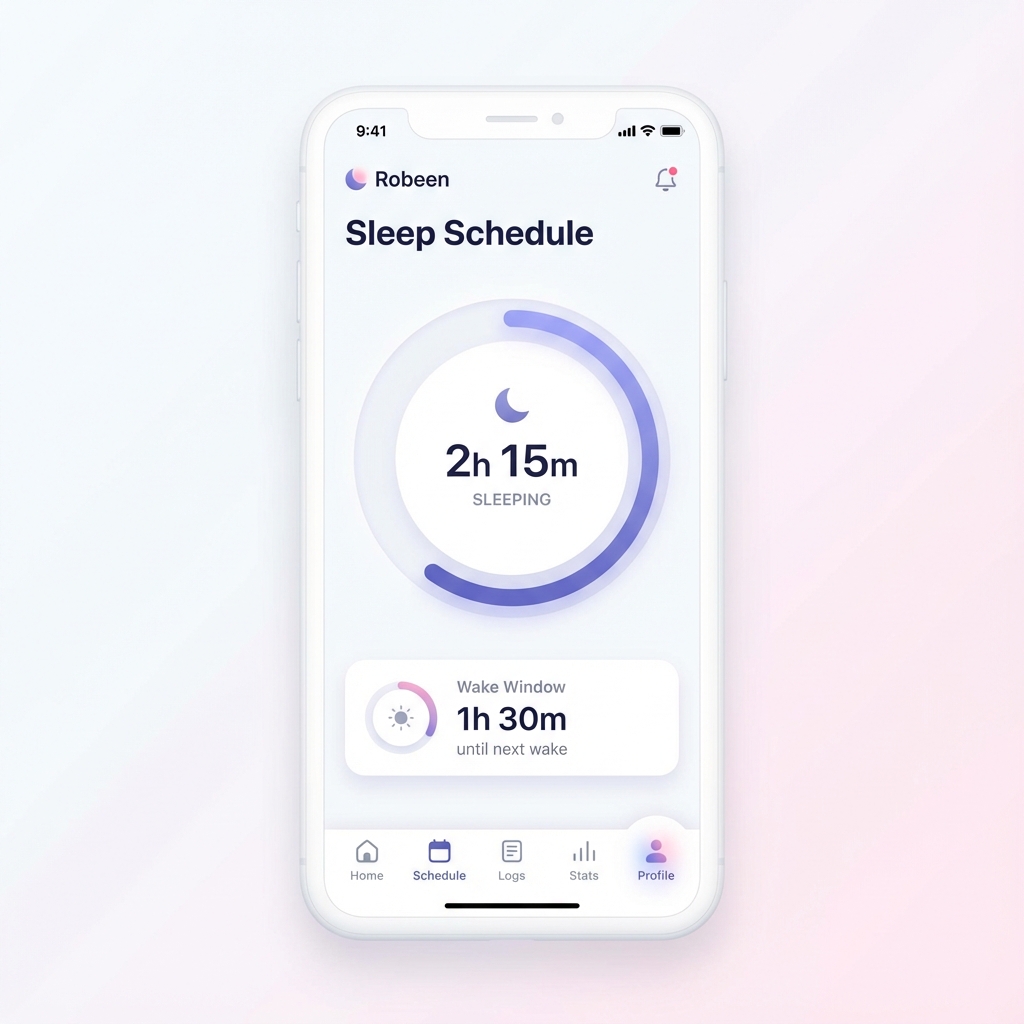
Track Sleep Like a Pro
Get detailed insights into your baby's sleep patterns with the Robeen app. AI-powered analysis helps you find the perfect schedule.
Sleep Regression
/sleep ri-gre-shun/A period of time when a baby who has been sleeping well suddenly starts waking up at night or skipping naps.
Example:"The 4-month sleep regression is often caused by a change in sleep cycles."
Want more parenting insights?
Get science-backed tips on sleep science delivered to your inbox. Plus, discover how Robeen can help track your baby's patterns.